The Life of God in the Soul of Man
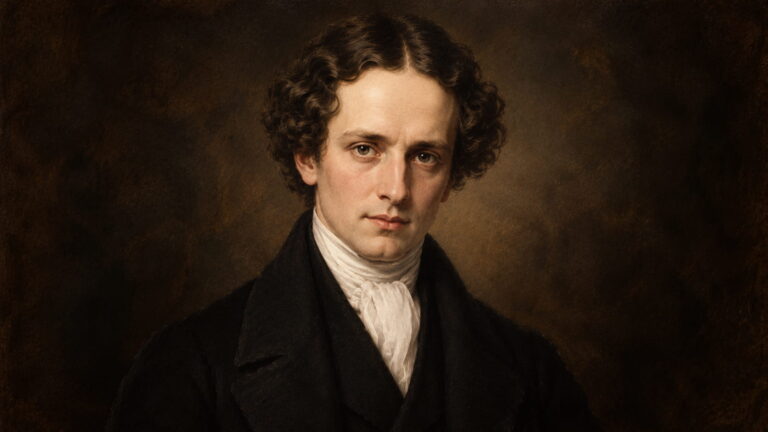
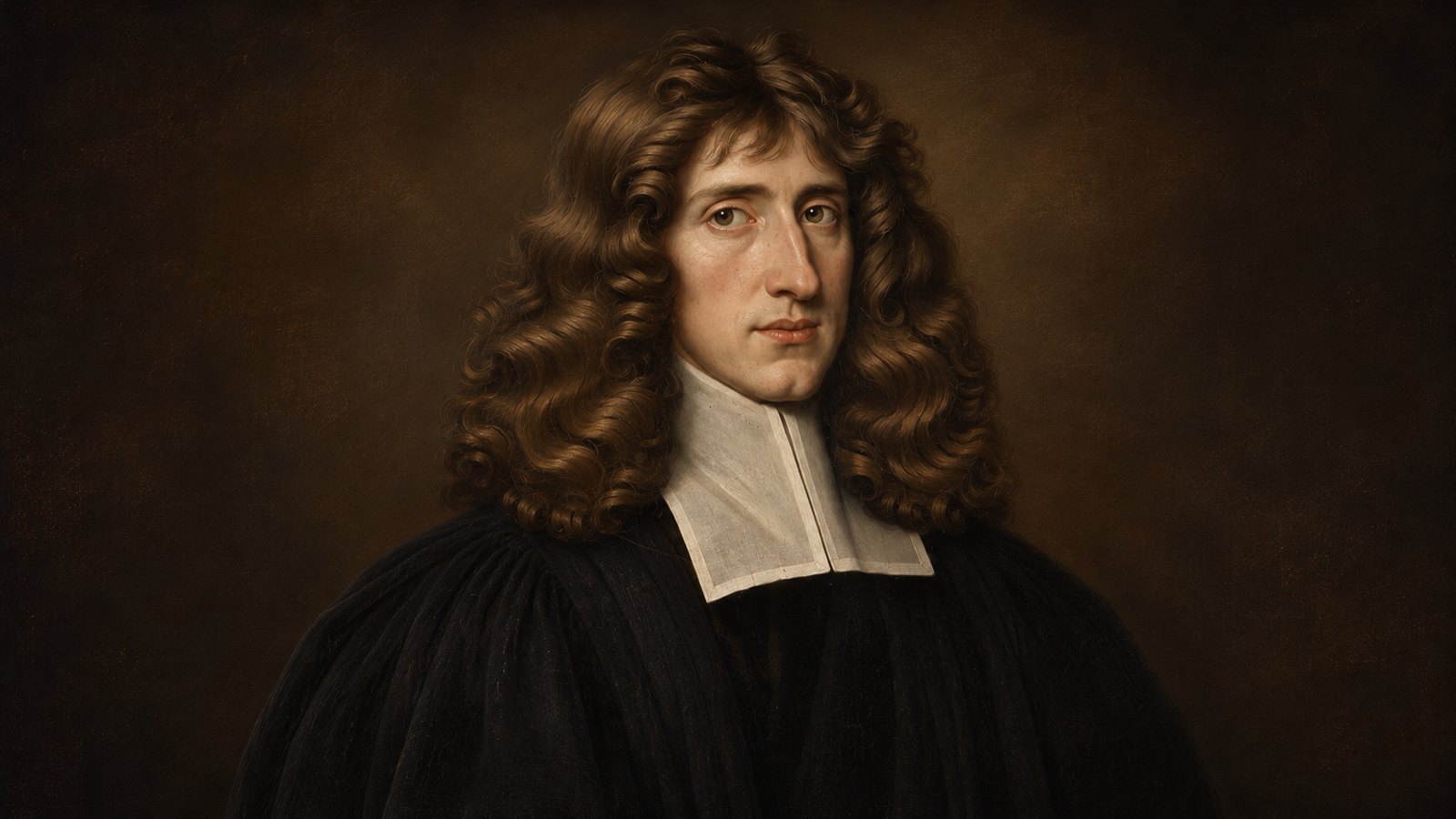
Henry Scougal wrote this short book as a letter to a friend when he was still a young man. It asks what true religion is—not opinion, not outward duty, not warm feelings, but the life of God in the soul. Whitefield and the Wesleys carried this book; it helped awaken them. This excerpt is from Part I.
Part I (excerpt): On Religion, and Why It Is Called a Divine Life
Excerpt. The opening argument of Part I, through Scougal’s definition of religion as a Divine Life. Later paragraphs of Part I (on the natural life and the life of our Saviour) are omitted.
I cannot speak of religion, but I must lament, that among so many pretenders to it, so few understand what it means: some placing it in the understanding, in orthodox notions and opinions; and all the account they can give of their religion is, that they are of this and the other persuasion, and have joined themselves to one of those many sects whereinto Christendom is most unhappily divided. Others place it in the outward man, in a constant course of external duties, and a model of performances. If they live peaceably with their neighbours, keep a temperate diet, observe the returns of worship, frequenting the church, or their closet, and sometimes extend their hands to the relief of the poor, they think they have sufficiently acquitted themselves. Others again put all religion in the affections, in rapturous hearts, and ecstatic devotion; and all they aim at is, to pray with passion, and think of heaven with pleasure, and to be affected with those kind and melting expressions wherewith they court their Saviour, till they persuade themselves they are mightily in love with him, and from thence assume a great confidence of their salvation, which they esteem the chief of Christian graces. Thus are these things which have any resemblance of piety, and at the best are but means of obtaining it, or particular exercises of it, frequently mistaken for the whole of religion: nay, sometimes wickedness and vice pretend to that name. I speak not now of those gross impieties wherewith the Heathens were wont to worship their gods. There are but too many Christians who would consecrate their vices, and follow their corrupt affections, whose ragged humour and sullen pride must pass for Christian severity; whose fierce wrath, and bitter rage against their enemies, must be called holy zeal; whose petulancy towards their superiors, or rebellion against their governors, must have the name of Christian courage and resolution.
But certainly religion is quite another thing, and they who are acquainted with it will entertain far different thoughts, and disdain all those shadows and false imitations of it. They know by experience that true religion is a union of the soul with God, a real participation of the divine nature, the very image of God drawn upon the soul, or, in the apostle’s phrase, “It is Christ formed within us.”–Briefly, I know not how the nature of religion can be more fully expressed, than by calling it a Divine Life: and under these terms I shall discourse of it, showing first, how it is called a life; and then, how it is termed divine.
I choose to express it by the name of life, first, because of its permanency and stability. Religion is not a sudden start, or passion of the mind, not though it should rise to the height of a rapture, and seem to transport a man to extraordinary performances. There are few but have convictions of the necessity of doing something for the salvation of their souls, which may push them forward some steps with a great deal of seeming haste; but anon they flag and give over. They were in a hot mood, but now they are cooled; they did shoot forth fresh and high, but are quickly withered, because they had no root in themselves. These sudden fits may be compared to the violent and convulsive motions of bodies newly beheaded, caused by the agitations of the animal spirits, after the soul is departed, which, however violent and impetuous, can be of no long continuance; whereas the motions of holy souls are constant and regular, proceeding from a permanent and lively principle. It is true, this divine life continueth not always in that same strength and vigour, but many times suffers sad decays; and holy men find greater difficulty in resisting temptations, and less alacrity in the performance of their duties. Yet it is not quite extinguished, nor are they abandoned to the power of those corrupt affections, which sway and overrule the rest of the world.
Again, religion may be designed by the name of life, because it is an inward, free, and self-moving principle: and those who have made progress in it, are not actuated only by external motives, driven merely by threatenings, nor bribed by promises, nor constrained by laws; but are powerfully inclined to that which is good, and delight in the performance of it. The love which a pious man bears to God and goodness, is not so much by virtue of a command enjoining him so to do, as by a new nature instructing and prompting him to it; nor doth he pay his devotions as an unavoidable tribute only to appease the divine justice, or quiet his clamorous conscience; but those religious exercises are the proper emanations of the divine life, the natural employments of the new-born soul. He prays, and gives thanks, and repents, not only because these things are commanded, but rather because he is sensible of his wants, and of the divine goodness, and of the folly and misery of a sinful life. His charity is not forced, nor his alms extorted from him; his love makes him willing to give; and though there were no outward obligation, his heart would devise liberal things. Injustice or intemperance, and all other vices, are as contrary to his temper and constitution, as the basest actions are to the most generous spirit, and impudence and scurrility to those who are naturally modest. So that I may well say with St. John, “Whosoever is born of God, doth not commit sin: for his seed remaineth in him, and he cannot sin, because he is born of God.” Though holy and religious persons do much eye the law of God, and have a great regard unto it, yet it is not so much the sanction of the law, as its reasonableness, and purity, and goodness, which do prevail with them. They account it excellent and desirable in itself, and that in keeping of it there is great reward; and that divine love wherewith they are actuated, makes them become a law unto themselves:
Who shall prescribe a law to those that love?
Love’s a more powerful law which doth them move.
In a word, what our blessed Saviour said of himself, is in some measure applicable to his followers, that “it is their meat and drink to do their Father’s will.” And, as the natural appetite is carried out toward food, though we should not reflect on the necessity of it for the preservation of our lives, so they are carried with a natural and unforced propension toward that which is good and commendable. It is true, external motives are many times of great use to excite and stir up this inward principle, especially in its infancy and weakness, when it is often so languid that the man himself can scarce discern it, hardly being able to move one step forward but when he is pushed by his hopes or his fears, by the pressure of an affliction, or the sense of a mercy, by the authority of the law, or the persuasion of others. Now, if such a person be conscientious and uniform in his obedience, and earnestly groaning under the sense of his dulness, and is desirous to perform his duties with more spirit and vigour, these are the first motions of the divine life, which, though it be faint and weak, will surely be cherished by the influences of heaven, and grow unto greater maturity. But he who is utterly destitute of this inward principle, and doth not aspire to it, but contents himself with those performances whereunto he is prompted by education or custom, by the fear of hell or carnal notions of heaven, can no more be accounted a religious person, than a puppet can be called a man. This forced and artificial religion is commonly heavy and languid, like the motion of a weight forced upward. It is cold and spiritless, like the uneasy compliance of a wife married against her will, who carries it dutifully toward the husband whom she does not love, out of some sense of virtue or honour. Hence also this religion is scant and niggardly, especially in those duties which do greatest violence to men’s carnal inclinations; and those slavish spirits will be sure to do no more than is absolutely required. It is a law that compels them, and they will be loath to go beyond what it stints them to; nay, they will ever be putting such glosses on it, as may leave themselves the greatest liberty. Whereas, the spirit of true religion is frank and liberal–far from such peevish and narrow reckoning; and he who hath given himself entirely unto God, will never think he doth too much for him.
By this time I hope it doth appear, that religion is with a great deal of reason termed a life, or vital principle, and that it is very necessary to distinguish betwixt it and that obedience which is constrained, and depends upon external causes. I come next to give an account why I designed it by the name of Divine Life: and so it may be called, not only in regard of its fountain and original, having God for its author, and being wrought in the souls of men by the power of his Holy Spirit; but also in regard of its nature, religion being a resemblance of the divine perfections, the image of the Almighty shining in the soul of man: nay, it is a real participation of his nature, it is a beam of the eternal light, a drop of that infinite ocean of goodness; and they who are endowed with it may be said to have “God dwelling in their souls, and Christ formed within them.”
Source: Henry Scougal, The Life of God in the Soul of Man (first published 1677), Part I, opening section defining religion as a Divine Life. Text from the Christian Classics Ethereal Library (proofed public-domain transcription): https://ccel.org/ccel/scougal/life. Public domain. Whitespace normalized; one clear transcription typo corrected (“Religion is not” for “Religion it not”); wording otherwise as in the CCEL text. Excerpt marked; remainder of Part I omitted.
From Daniel K. Norris
I share these voices because they still speak. If this stirred something in you, don’t let it fade. Visit me at danielknorris.com for sermons, books and resources to help you stay on fire for God.
One voice of revival, every Tuesday.
Subscribe free